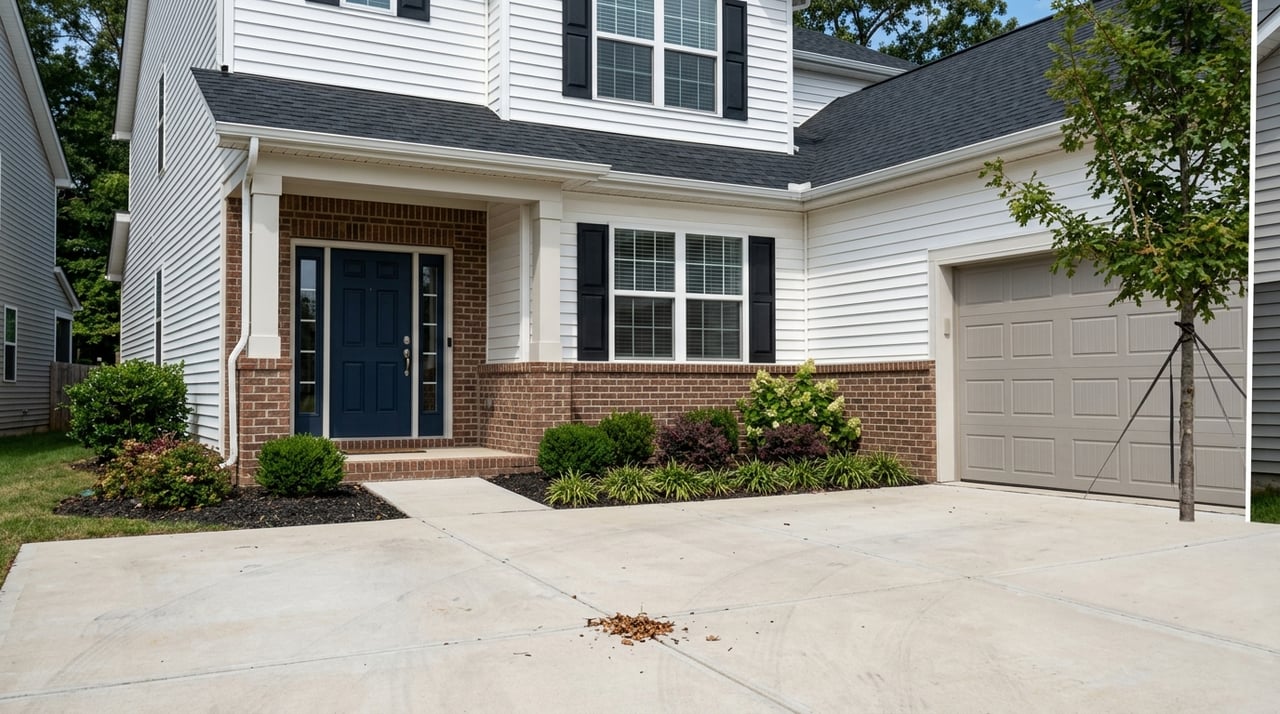
Buying New Construction in Hoschton: What to Know First
June 18, 2026
June 18, 2026
Buying a brand-new home in Hoschton can feel exciting right up until the questions start piling up. Is the lot fully approved? Are utilities ready? Should you use the builder’s lender? If you are trying to avoid surprises, you are not alone. The good news is that with the right guidance, you can understand the local process, protect your deposit, and move forward with confidence. Let’s dive in.
Buying new construction is not the same as buying a resale home. In Hoschton, you are not just choosing a floor plan and finishes. You are also buying into a timeline that depends on permits, inspections, subdivision status, and utility readiness.
Hoschton’s planning process can involve subdivision plats, land-disturbance permits, development permits, rezoning, annexation, stormwater items, and sewer-capacity materials. Under the city’s zoning rules, a development permit is required before grading or land disturbance begins, then a building permit is needed before construction or occupancy, and a certificate of occupancy is issued only after the finished work meets code.
If a subdivision is being built in phases, separate development permits may be required for each phase. That can affect construction timing, closing dates, and what is actually complete when you go under contract.
One of the smartest first steps is confirming where the lot stands in the approval process. A lot may be advertised in a new community long before every local step is finished.
You will want to confirm whether the lot is already platted and whether the project falls into a city or county approval workflow. In this area, Hoschton planning approvals and Jackson County inspection workflows can both affect timing and paperwork.
Jackson County’s Building Inspections Division administers construction codes for the county and its municipalities where applicable, and it handles permit applications and inspection scheduling through its county system. In simple terms, the correct office matters, and early confusion can turn into closing delays later.
In Hoschton, utility readiness is part of the buying conversation, not just a builder issue behind the scenes. The city’s public materials list water and sewer connection fees, lift-station maintenance fees, planning and zoning fees, an impact-fee ordinance, and a sewer capacity certification program.
The city also states that its stormwater program covers construction-site runoff control and post-construction stormwater management for new development and redevelopment. Hoschton charges an MS4, or stormwater, fee on developed residential and nonresidential properties.
For you as a buyer, that means it is wise to ask what local fees are already included in the purchase price and what costs may show up at or after closing. It also means drainage, grading, and infrastructure readiness deserve real attention before you sign.
Before you commit to a new home, verify the builder’s exact legal name and license status. In Georgia, residential contractors must hold an active license to legally perform covered work, and local licensing requirements may also apply.
This matters because the community name and the sales office branding are not always the same as the builder’s legal entity. If you only rely on signage or marketing materials, you may miss important details.
It is also worth knowing that utility-related trades like plumbers, electricians, and air-conditioning contractors are regulated separately. A careful review on the front end can help you avoid headaches later.
One of the biggest mistakes buyers make is treating the builder warranty like a formality. In Georgia, a licensed residential contractor on a covered contract must offer a written warranty and attach that warranty, or an identical blank standard form, before the contract is executed.
That written warranty should describe the covered work, exclusions, standards for evaluating work, the warranty term, claim procedures, contractor response options, and any assignable manufacturer warranties. In other words, this is not a document to skim.
Many new-home warranties follow a limited pattern. They often cover workmanship and materials on most components for one year, HVAC, plumbing, and electrical systems for two years, and major structural defects for up to 10 years. At the same time, common exclusions can include appliances, small cosmetic cracking in materials like brick or drywall, and living expenses if you have to move out during repairs.
If you are using FHA or VA financing, the warranty conversation becomes even more important. Builders of newly built homes financed this way must buy a third-party warranty to protect the buyer.
Financing a new build can look very different from financing a resale home. A construction loan is usually short-term, is often funded in stages as construction progresses, and generally carries a higher interest rate than a standard long-term purchase mortgage.
Some construction loans convert to permanent financing, while others require you to reapply for a permanent mortgage when the home is complete. That is one reason it helps to work with an experienced local advisor who understands both real estate and lending.
You are also not required to use the builder’s preferred lender. You can compare lenders, loan terms, and closing services rather than assuming the builder’s in-house option is your only path.
If the home is not yet built, the builder may ask for an upfront deposit, often called earnest money. Before you hand over funds, ask exactly when that deposit is refundable and under what conditions it may be kept.
A new construction contract deserves careful attention. Builder contracts are often different from standard resale contracts, and they may be written to give the builder more control over timing, changes, and completion.
When possible, make sure the offer is contingent on financing and a satisfactory inspection. Those contingencies can give you options if major issues come up before closing.
If an inspection or appraisal identifies significant repairs, your lender may require those repairs to be completed before closing or may require funds to be set aside after closing. Either way, contract terms matter because they shape how problems get handled.
Yes, you still need a home inspection on a new build. An independent inspection is different from the appraisal, and both serve different purposes.
The inspection is designed to identify condition issues, while the appraisal is generally for the lender’s value review. Scheduling an inspection as early as possible gives you the best chance to catch concerns while there is still time to address them.
If you can, attend the inspection. Seeing items in person often makes the report easier to understand, and it can help you create a clearer repair request list.
If problems appear after closing, your paperwork matters. Georgia’s Right to Repair Act says that before suing a contractor for construction defects, a homeowner must serve written notice at least 90 days in advance, and the contractor then has 30 days to respond and decide whether to inspect or settle.
That makes documentation essential from the start. Save punch lists, emails, photos, dated repair requests, and warranty materials in one place.
A simple folder can go a long way. Good records can support a smoother warranty claim and put you in a stronger position if a dispute ever needs to follow the Right to Repair process.
If you want to keep your purchase on track, focus on these steps early:
New construction can offer a fresh start, lower near-term maintenance, and the chance to personalize your home. It can also come with moving parts that are easy to overlook if you have only bought resale homes before.
In Hoschton, the local approval process, utility setup, and phased community development can all affect your experience. Having a knowledgeable local advocate helps you ask better questions, compare your options clearly, and avoid preventable surprises.
With more than 40 years of local real estate experience and a strong background in mortgage and lending, Linda Maples brings the kind of practical guidance that can make a new-build purchase feel much more manageable. If you are exploring new construction in Hoschton, connect with Linda Maples Realty for experienced, clear-eyed support from contract to closing.
Work with experienced Georgia real estate agent Linda Maples to buy or sell your dream home. Get a free valuation and view local listings.
Get In Touch With Linda To Learn More
2405 W Broad St Ste 150 Athens GA 30606