
Living in Athens GA: A Local’s Guide to Everyday Life
February 5, 2026
February 5, 2026
Is Athens just a college town, or is there more to it? If you are weighing a move, you might be trying to picture daily life beyond game days and graduation weekends. You want a clear sense of neighborhoods, commute rhythms, and where you will spend your time. This guide gives you a practical, local view of what it feels like to live in Athens so you can decide where you will fit best. Let’s dive in.
The University of Georgia shapes almost everything here. You will notice it in the job market, the rental cycle, traffic patterns, and a full calendar of sports and cultural events. That university energy gives Athens a creative, youthful feel even as many residents are long-term locals.
Culture is part of the city’s identity. You will find live music, local arts, and a strong food and brewery scene, especially in the compact downtown. The economy blends higher education, healthcare, government, hospitality, and small business. Many people work at the university or in medical services.
The population is diverse and includes students, professionals, families, and retirees. Seasonal swings happen as students arrive and leave. That cycle affects rental demand and the pace of activity in certain neighborhoods.
If you want a walkable lifestyle near restaurants and venues, look at Downtown, Five Points, Normaltown, and parts of Boulevard and Wayne Street. Housing here ranges from older apartments and condos to renovated historic homes and bungalows. You can walk to cafes and nightlife, which many people love.
Know the tradeoffs. Proximity to nightlife means more evening noise, especially on weekends and during UGA events. Parking can be tight, and many nearby properties are rentals.
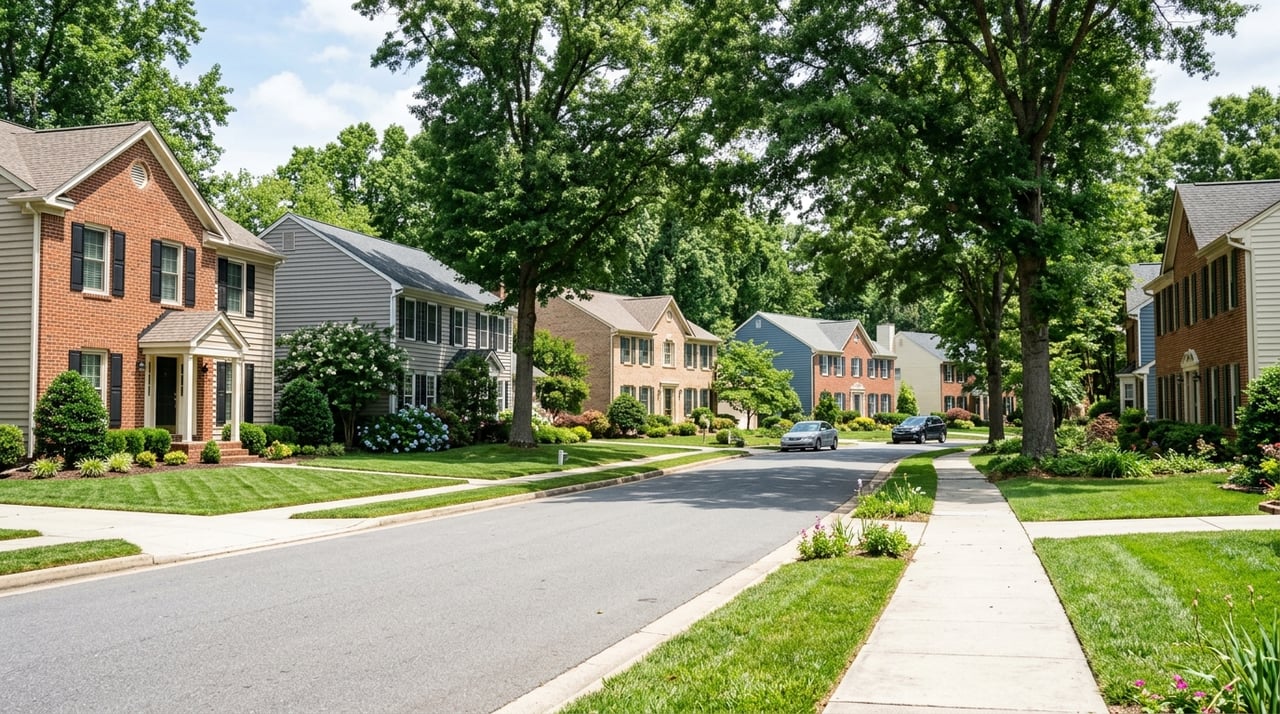
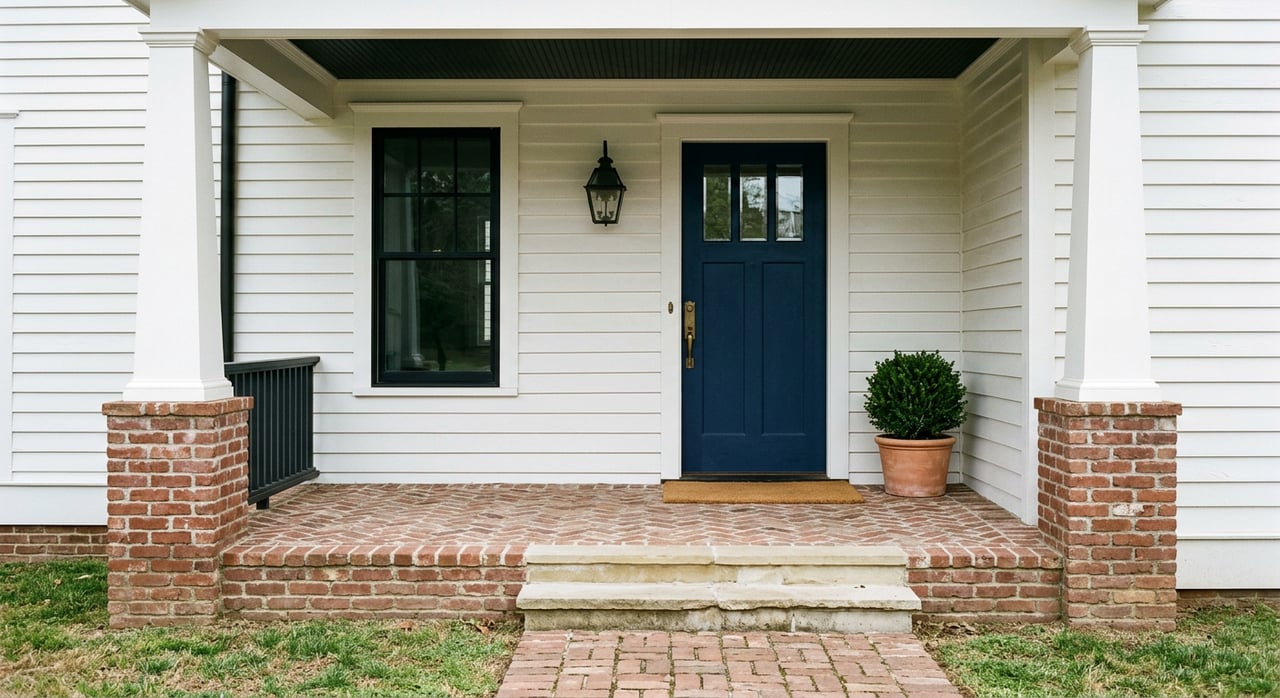
A short drive from the core, you will find established single-family neighborhoods along the S. Milledge Avenue corridor and in parts of North and West Athens. Yards, tree-lined streets, and a mix of home sizes are common. Homes include Craftsman bungalows, mid-century ranches, and larger historic residences.
These areas are generally quieter than the blocks closest to campus. School access varies by zone, so confirm attendance boundaries before you buy.
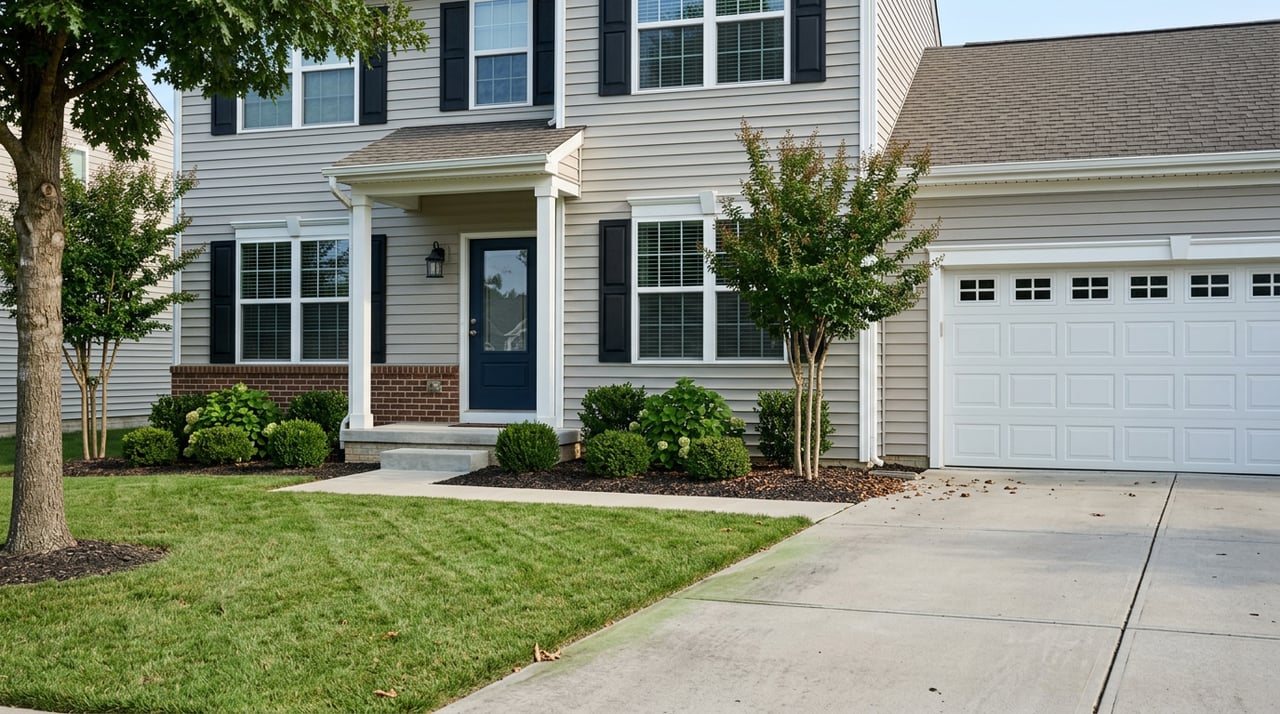
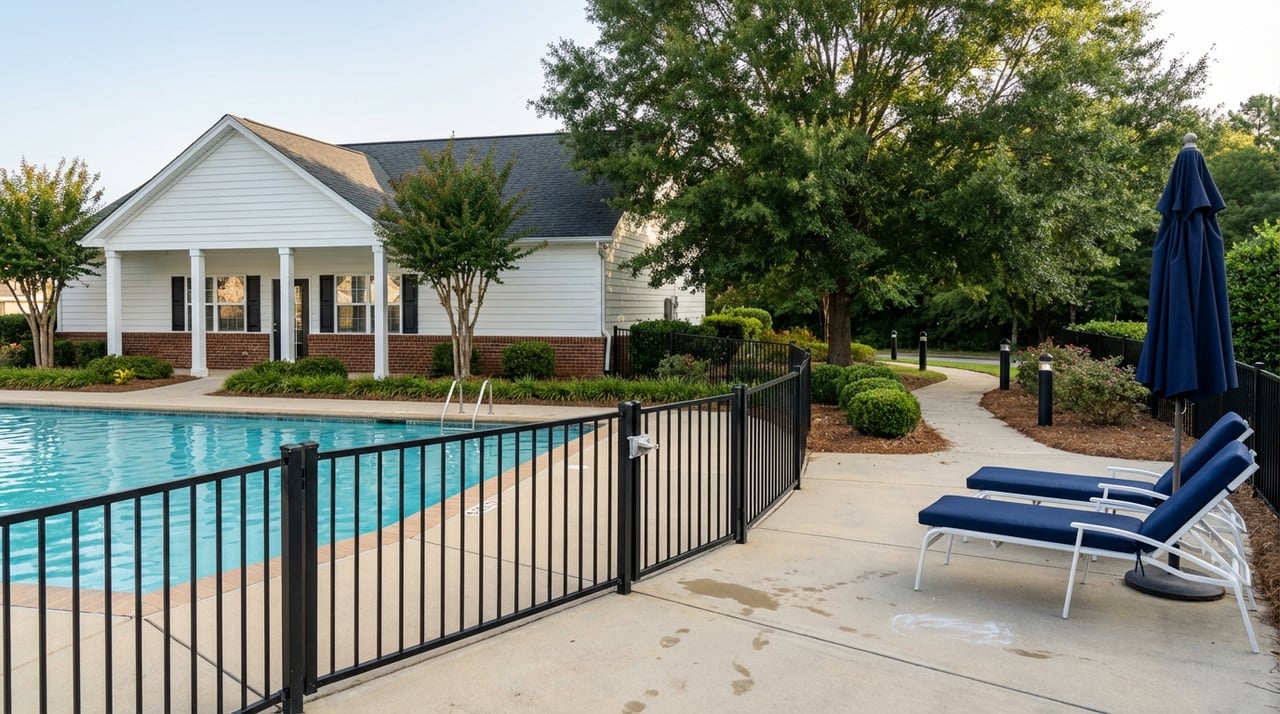
As you move outward in Clarke County and into adjacent Oconee or Oglethorpe counties, you will see newer subdivisions and planned communities. These often feature modern floor plans, larger lots, and sometimes HOA amenities like pools and playgrounds.
The tradeoff is a longer drive to downtown and UGA. If you value a newer home and a little extra space, this is a good area to focus on. Just factor in commute times to your routine.
Close to campus, you will find many rentals, duplexes, and student-focused apartment communities. Turnover is common, and activity peaks during the academic year. If you prefer a quiet setting, look a few blocks farther out or in established residential pockets.
Parking can be limited in these areas. Expect higher density and more weekend noise when school is in session.
Condos and townhomes cluster near downtown and along major commercial corridors. They appeal to buyers seeking lower maintenance. HOA rules, fees, and parking structures vary by community, so review documents closely.
If you are downsizing or want a lock-and-leave setup, this can be an efficient choice. Proximity to restaurants and services is a plus.
Athens supports a lively small-restaurant scene, local breweries, coffee shops, and boutique retail. Live music venues and independent galleries add a creative pulse. UGA’s arts programs bring frequent theater, music, and visual art events that are open to the public.
Sports are part of the rhythm. Football weekends create a citywide buzz, and other athletic events keep calendars full. You will also find farmers markets, festivals, and neighborhood gatherings throughout the year.
You can explore local parks, greenbelts, and trail systems for walking, running, and biking. The State Botanical Garden of Georgia offers nature programs and beautiful grounds. In the wider region, rivers and lakes support kayaking, canoeing, and fishing.
If you are shopping near river corridors, review flood risk and property elevation. Athens has areas where localized flooding can occur after heavy rain.
Athens hosts major healthcare providers and a regional hospital. Primary care, specialty care, and clinics are available across the city. For errands, you will find grocery and retail along major roads and in shopping centers, plus boutique options downtown.
K–12 public schools are served by Athens–Clarke County, and there are private and parochial options. School quality and programming vary by school and zone, so verify attendance boundaries as part of your search. UGA and associated centers offer a full spectrum of continuing education and cultural enrichment.
Athens is a car-oriented city. Most residents drive for work, shopping, and school. Commute times are short within the central core and longer from suburban areas and nearby counties.
Traffic ebbs and flows around UGA. Expect congestion on major corridors during class changes and game days. Build a little buffer into your schedule during those times.
Local bus service operates across the city with stronger coverage in denser areas and near campus. UGA shuttles help if your routine centers on the university.
Central neighborhoods are more walkable and bike-friendly than outlying areas. Sidewalks, bike lanes, and path connections vary by corridor. For regional travel, most people rely on cars to reach major airports in larger metro areas.
Athens has a humid subtropical climate. Summers are warm and humid, with afternoon thunderstorms. Winters are generally mild, which supports year-round outdoor living.
Plan for summer shade, irrigation, and pest management in your home and yard maintenance. Storm awareness is part of life here, especially during peak thunderstorm periods.
If you are considering a home near rivers or creeks, check flood maps and property elevation. Humidity-related maintenance and seasonal vegetation growth are typical in the Southeast. Routine pest control is common for homeowners.
If an HOA governs a neighborhood, review rules, fees, and amenity maintenance plans. These can add value but also affect monthly costs and lifestyle.
Overall costs are generally lower than larger Georgia metros like Atlanta, though affordability depends on neighborhood and housing type. Student demand affects rental pricing and turnover in nearby areas. Property taxes and utility rates vary by county and provider, so confirm the current numbers during due diligence.
Choosing the right Athens neighborhood is both a lifestyle and financial decision. With more than 40 years of local experience and deep mortgage knowledge, we help you weigh tradeoffs, confirm key details like school zones and flood risk, and negotiate with confidence. Whether you are buying your first home, moving up, or downsizing, our team is ready to guide you from search to closing.
If you are considering a move in Athens or nearby communities, let’s talk about your goals and the neighborhoods that fit them best. Reach out to Linda Maples Realty to start a tailored plan today.

Work with experienced Georgia real estate agent Linda Maples to buy or sell your dream home. Get a free valuation and view local listings.
Get In Touch With Linda To Learn More

2405 W Broad St Ste 150 Athens GA 30606