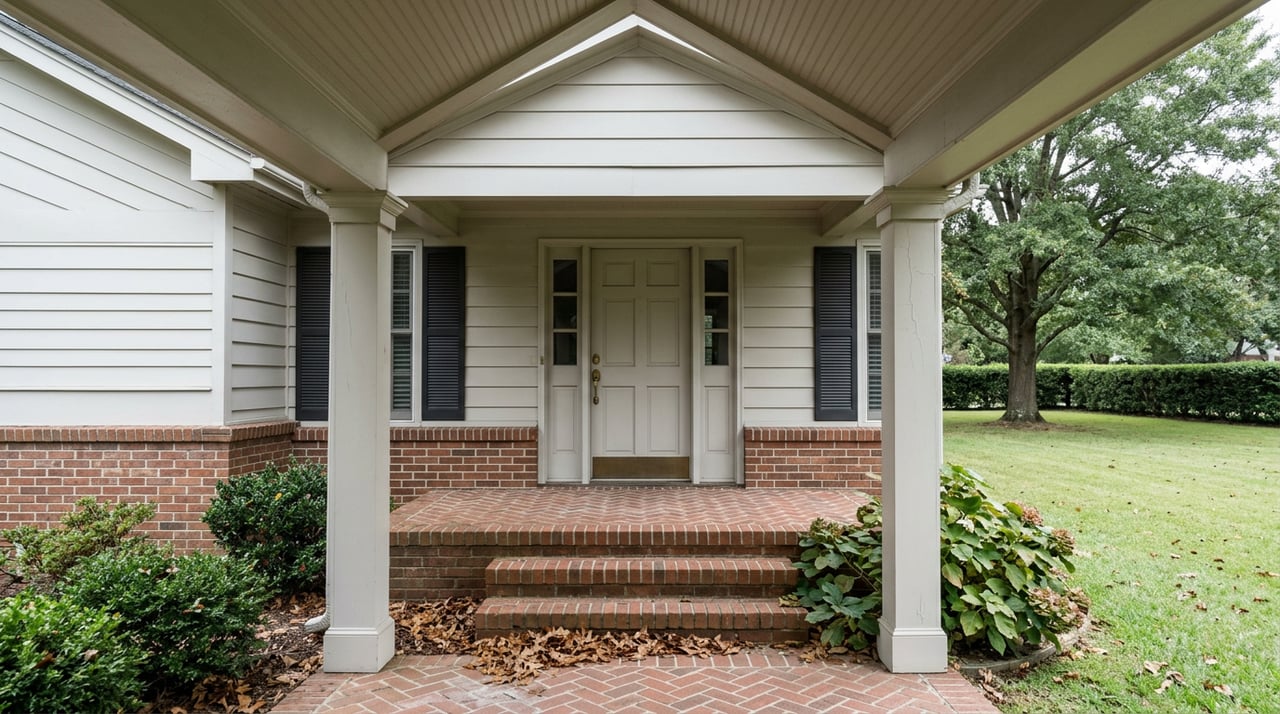
Winterville's Old Houses Run On Two Clocks, And Only One Is On The Listing
September 24, 2026
September 24, 2026
A house near the Winterville square rarely sells on inspection results alone. It sells on two calendars that have nothing to do with each other and don't share a spreadsheet: an insurance underwriter's rewire deadline, and the city's Historic Preservation Commission, which only meets once a month. Miss the wrong one and a deal that looked clean on day one turns into a scramble in week three. That's the part the price per square foot never tells you.
As of July 2026, the median list price in Winterville worked out to roughly $197 a square foot, with homes sitting a median of 60 days on the market before going under contract. The average home value across town sat at $335,417 by the end of August 2026, up 2.8% over the year before. Numbers like that read as a value story next to Athens or Watkinsville. What they don't capture is how much of that price sits inside a house built before either calendar existed.
Winterville isn't a subdivision with a founding date. It grew up as a rail stop east of Athens, laid out on both sides of the Georgia Railroad line, with roads running parallel and perpendicular to the tracks and a town square at the center. The National Register nomination for the district catalogs what's still standing: the Pittard-Coile-Harris House from the 1880s, a New South cottage with Folk Victorian trim; the Coile-Harris House from the late 1870s; the Greek Revival Winterville Methodist Church, the last historic building on the square itself; the Old General Store and Spratlin's Garage on Church Street; and the Carter-Coile Doctors Office and Winterville Library, both moved buildings that now sit on Marigold Street. At the north end of the district, the old school complex includes the 1920 Winterville High School and the 1953 auditorium.
That's the housing stock a buyer is actually pricing when they compare cost per square foot in Winterville to a newer build in Bogart or Hoschton. Victorian, Craftsman, and Georgian houses on large wooded lots, most of them built well before either the National Electrical Code or the local preservation ordinance existed to govern them.
Wiring from that era is the first calendar that starts ticking the moment a lender orders an inspection. Knob-and-tube wiring, the porcelain-knob-and-tube system that was standard from the late 1880s through the early 1940s, shows up often enough in Georgia homes of this vintage that most major carriers have a policy for it, and the policy is rarely "yes."
A carrier that finds active knob-and-tube wiring in a pre-1940s house typically responds one of three ways: write a standard policy on the condition the wiring is replaced within about 30 days, offer a stripped-down policy that rebuilds plaster as drywall and original hardwood as laminate, or quote a specialty carrier at 50% to 100% above standard rates. A full rewire generally runs $3,500 to $9,000 depending on the size of the house and how much of the original system is still live, and that figure usually covers the electrical work alone. Opening and patching the walls afterward is a separate cost, and it's the one buyers report being surprised by most often.
None of this kills a sale by itself. What it does is put a 30-day countdown on the calendar the moment underwriting flags the wiring, a countdown that starts independent of anything the city has to say about the house.
The second calendar belongs to Winterville itself. The city formed its Historic Preservation Commission in 2018 and earned Certified Local Government status from the National Park Service in 2020. Under Georgia's Historic Preservation Act, no material change to the exterior appearance of a property inside a designated historic district can happen, and no building permit tied to that change can be issued, until the Commission approves a Certificate of Appropriateness. Work done without one can be reversed, and the property owner can face fines and permit delays on top of it, under the state's own preservation ordinance guidance.
The Commission meets once a month, on the third Tuesday at 6 p.m., and the meeting is open to the public. That's a fixed, predictable schedule. It's also a schedule that doesn't bend for a lender's rewire deadline. If a rewire involves relocating a meter, moving a service panel, or altering anything visible from the street, that piece of the project needs a Certificate of Appropriateness before a permit gets pulled, which means it needs a spot on next month's agenda if the application misses this month's cutoff.
Here's the two calendars side by side:
| Insurance Clock | City Clock | |
|---|---|---|
| Triggered by | Underwriter flags active knob-and-tube or an undersized panel | Any exterior change visible from the street |
| Who sets the deadline | The carrier, usually 30 days | The Historic Preservation Commission's monthly meeting |
| Typical turnaround | Weeks, if an electrician is available | Once a month, third Tuesday, 6 p.m. |
| What happens if you miss it | Policy doesn't bind, financing stalls | Certificate of Appropriateness delayed to next meeting, permit can't be issued |
The friction isn't that either process is unreasonable on its own. It's that they run on different clocks and nobody coordinates them for you unless someone asks the right questions before the offer goes in.
The buyers and sellers who move through this cleanly tend to do the same three things in the same order:
Sellers can shortcut a lot of this by having the wiring assessed before listing. A recently rewired historic home with paperwork in hand removes the 30-day insurance clock entirely and gives a buyer's lender one less reason to slow down. It's a small upfront step that tends to pay for itself in a faster closing.
None of this makes Winterville a harder place to buy or sell than Athens, Bogart, or Watkinsville. It makes it a different kind of transaction, one where the friction sits in permitting and underwriting rather than in the price itself. A buyer comparing $197 a square foot in Winterville to a higher number in a newer subdivision nearby is comparing two different risk profiles, not just two different houses. The historic district also carries a real upside worth weighing against the friction: the city notes that homeowners inside its boundaries may qualify for state and federal tax benefits when restoration work is done to code, and that property values in historic districts tend to hold up well over time.
Does every pre-1940s house in Winterville have knob-and-tube wiring? No. Plenty have been partially or fully rewired by previous owners. An electrician's assessment is the only reliable way to know what's actually behind the walls.
Does the Certificate of Appropriateness process apply to interior work? Georgia's preservation law is written around exterior appearance, not interior systems. A rewire that stays inside the walls generally doesn't need a Certificate of Appropriateness on its own, but any part of the project that changes something visible from the street, a relocated meter or panel among them, does.
Can I avoid all of this by buying a newer home inside Winterville's city limits? Yes, and plenty of buyers do exactly that. The historic district covers a defined area around the square and the old school complex, not the entire city, so a newer build nearby wouldn't carry either clock.
If you're weighing a historic Winterville property against something newer, or you want the insurance and permitting questions answered before you write an offer, Linda Maples has spent more than 40 years working through exactly this kind of transaction friction in northeast Georgia. Request a free home valuation or give the office a call to talk through what a specific address would actually require.
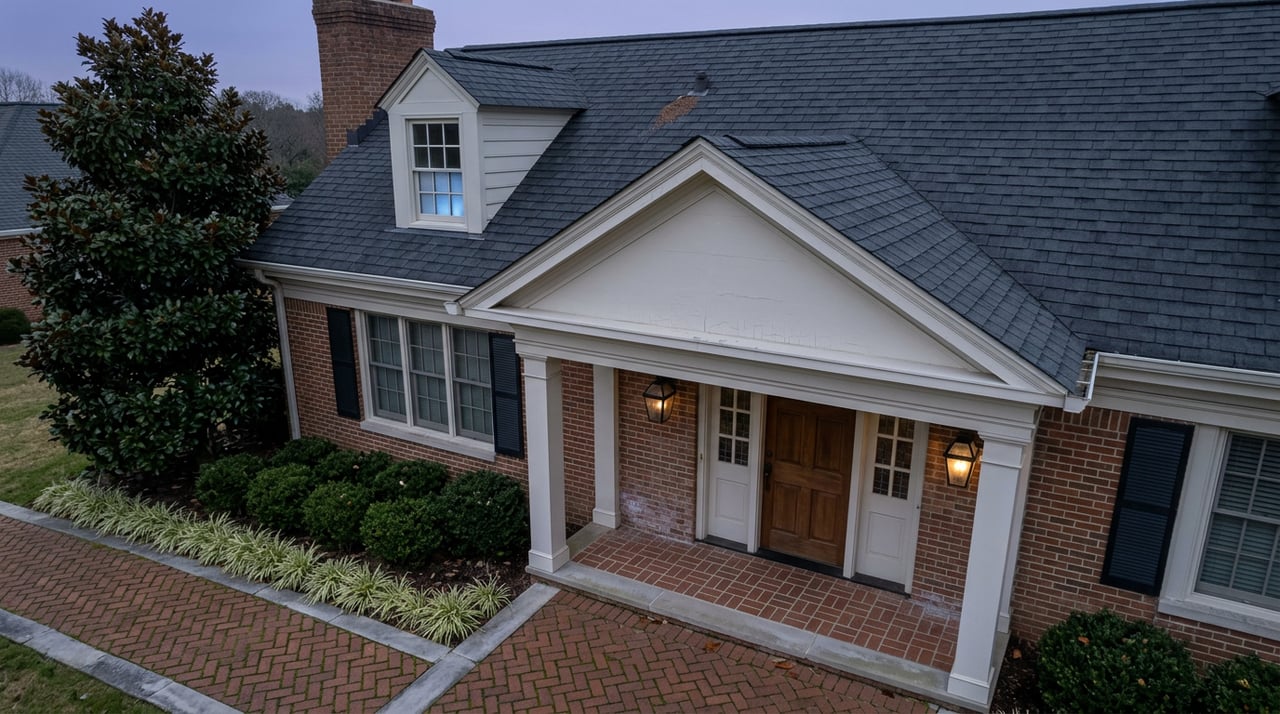
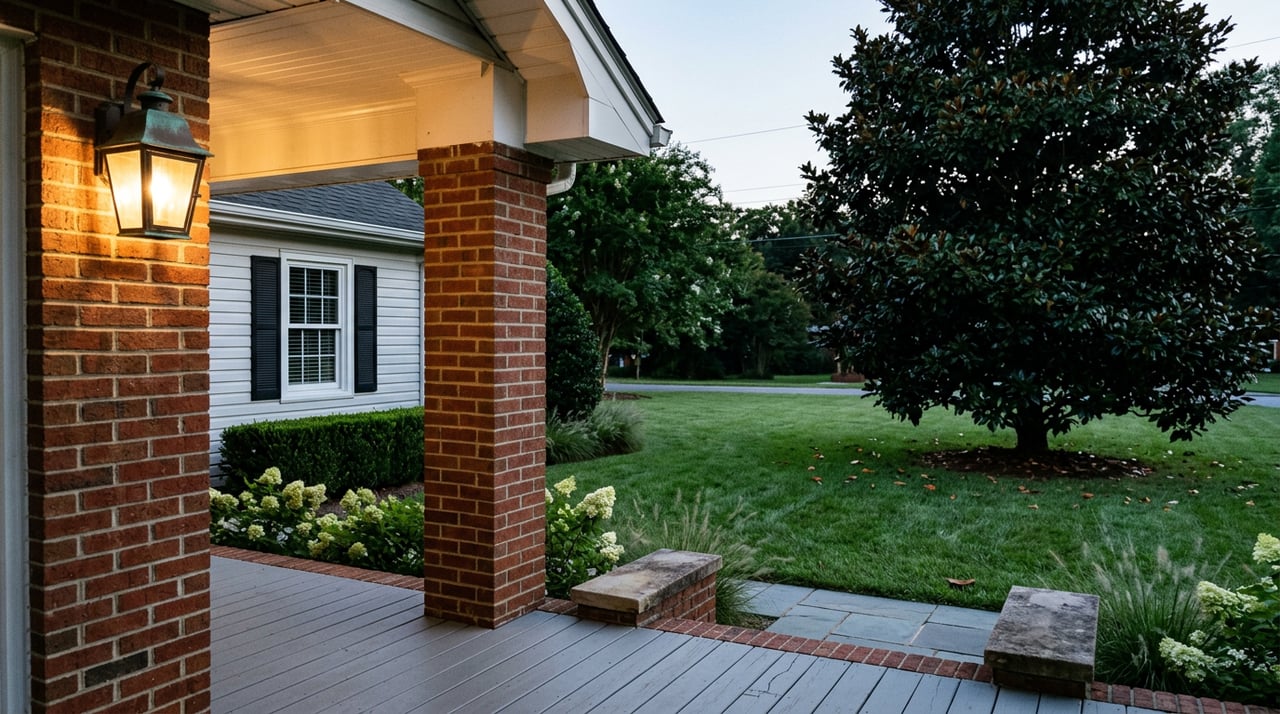
Work with experienced Georgia real estate agent Linda Maples to buy or sell your dream home. Get a free valuation and view local listings.
Get In Touch With Linda To Learn More

2405 W Broad St Ste 150 Athens GA 30606