Monroe GA Historic vs New Homes: Choosing Your Fit
March 24, 2026
March 24, 2026
Torn between a porch-lined historic charmer near downtown Monroe and a brand-new home with space to spread out? You are not alone. The right fit comes down to how you want to live, what you want to maintain, and which rules or benefits matter most to you. In this guide, you will compare features, costs, walkability, and regulations so you can choose with confidence. Let’s dive in.
Monroe is the county seat of Walton County, roughly 40 to 50 miles east of downtown Atlanta. Drive times commonly range from about 50 to 75 minutes during typical commute windows. The courthouse square and surrounding streets form a lively center with shops, restaurants, and community events. Many buyers look first at how close a home sits to this core when weighing lifestyle tradeoffs.
Historic homes in Monroe cluster in and around established districts such as the Monroe and Walton Mills Historic District, East Church Street, McDaniel Street, North Broad and South Broad Street, Monland Place, and the Monroe Commercial Historic District. You can explore these areas and the city’s survey of historically significant properties in the city’s published historic resources report. That resource helps you see where older residential fabric and mill village streets remain intact. (City of Monroe historic survey)
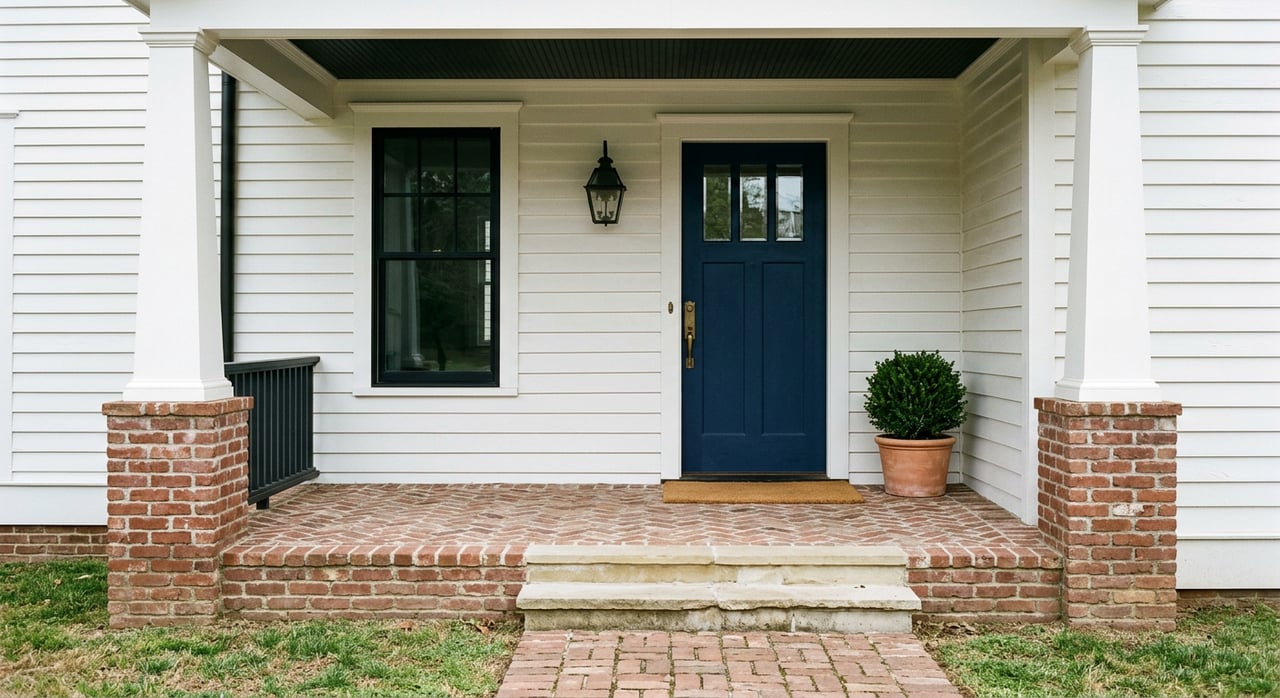
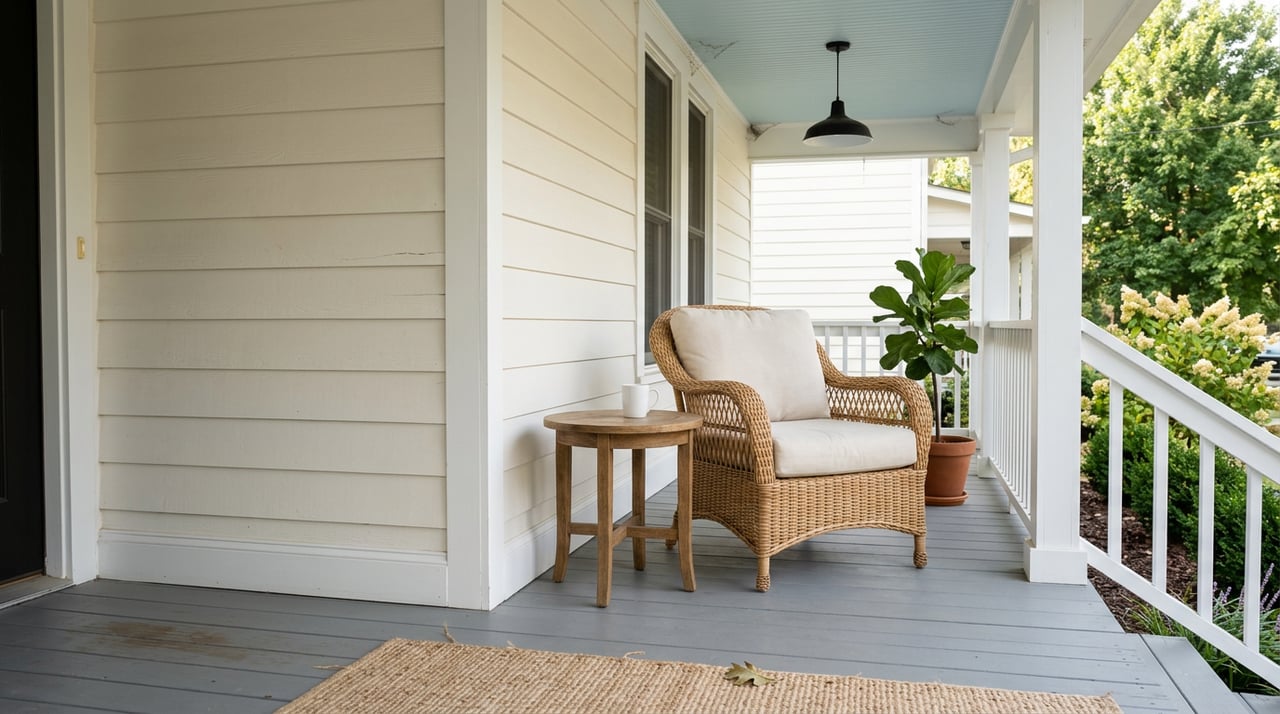
Architecturally, you often see deep front porches, tall ceilings, wood floors, original trim and windows, wood or brick exteriors, and layouts that reflect late‑19th to early‑20th‑century design. Many homes sit closer to the sidewalk, which can make quick errands on foot easier. Expect a mix of modest mill cottages and larger period homes within walking distance of the courthouse square. (City of Monroe historic survey)
Plan for more hands-on maintenance. Common priorities include roof age, foundation and drainage, wood rot or termites, and legacy electrical or plumbing systems. When preserving windows, masonry, or other character features, the National Park Service’s Preservation Briefs are the go-to technical guides for repair-first strategies. They can help you budget wisely and maintain historic character without over-replacing parts of the home. (NPS Preservation Briefs)
Many historic areas in Monroe fall under local overlay districts that govern exterior changes. If a property is in one of these areas, exterior alterations that are visible from the street typically require a Certificate of Appropriateness. Plan for design review timelines and public notice if you expect to change windows, siding, porches, or add new elements. Interior work is usually outside the review, but always confirm the rules before you start. (Monroe zoning and COA rules)
If you are planning a qualified rehabilitation of a historic property, Georgia’s state historic rehabilitation income‑tax credit can offset a meaningful portion of eligible costs, subject to project certification and program caps. Confirm your eligibility and timeline early with the state Historic Preservation Division and your tax advisor. (Georgia historic rehabilitation tax credit)
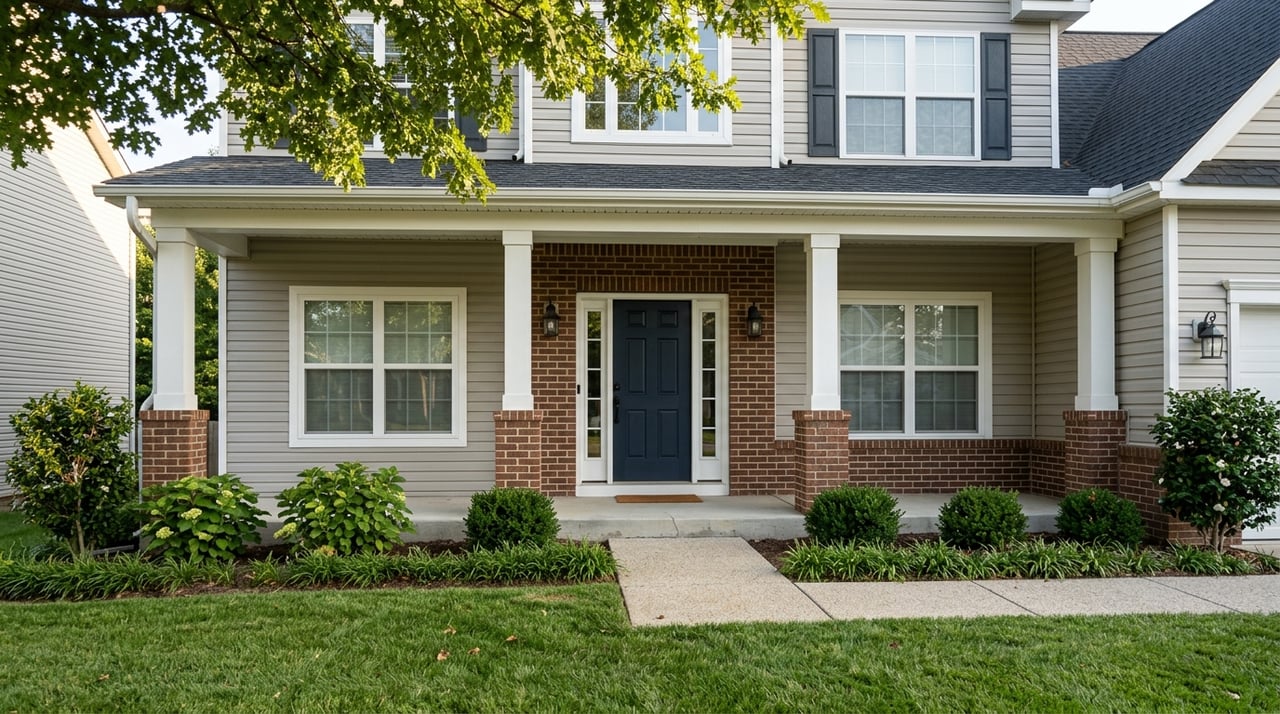
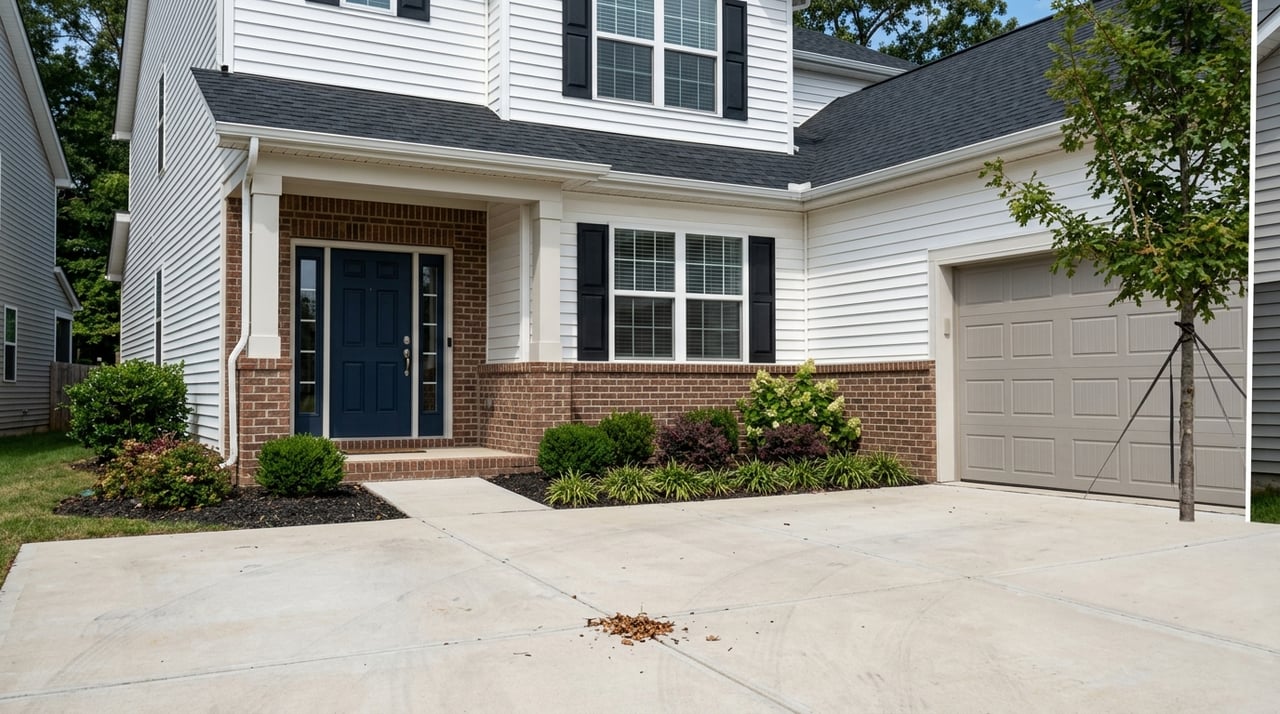
New construction in and around Monroe ranges from traditional subdivisions and townhomes to estate neighborhoods with larger lots. Prices vary by community, lot size, and finishes, with options that often start in the mid 300s for smaller plans and extend into higher price bands for larger homes on acreage. Builders may also offer incentives that change with the market, so review current offerings when you shop.
Energy and mechanical systems are a key advantage. New homes come with modern electrical, HVAC, insulation, and current code requirements that can reduce utility bills and maintenance surprises. Many builders participate in programs like ENERGY STAR, which set measurable performance standards beyond typical resale homes. Ask for the energy specs or a HERS or similar score when comparing options. (ENERGY STAR new homes)
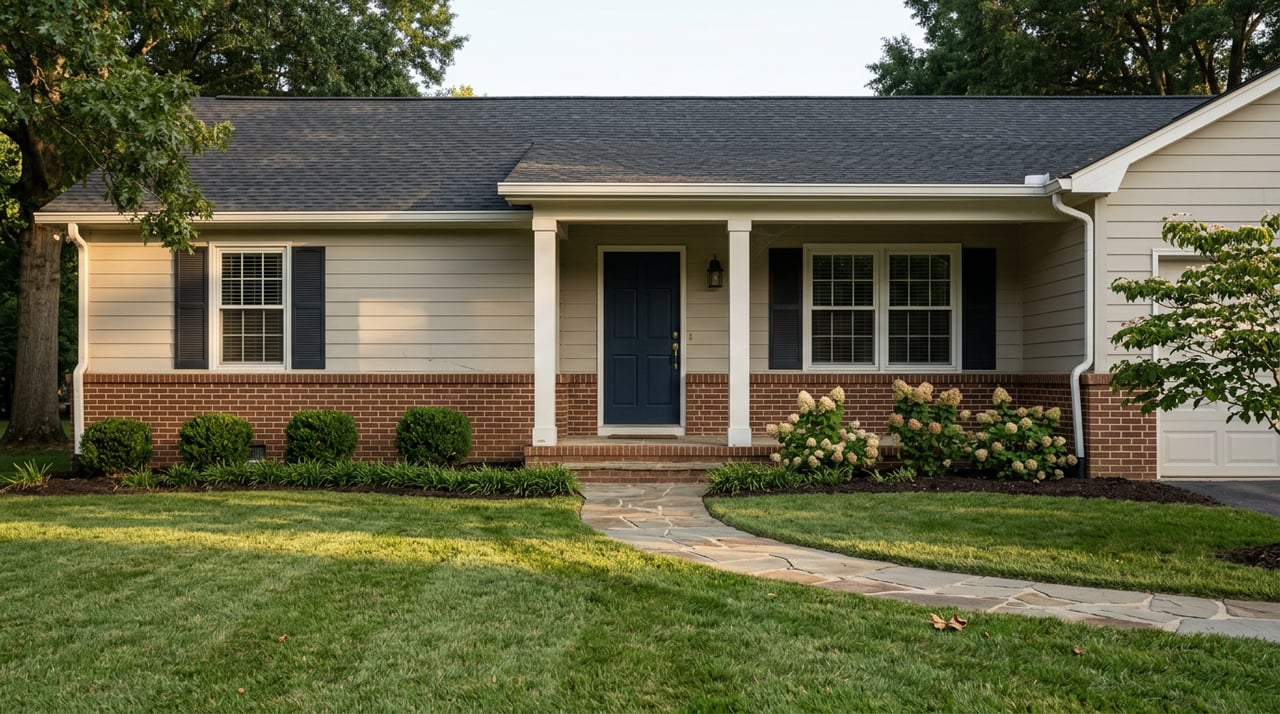
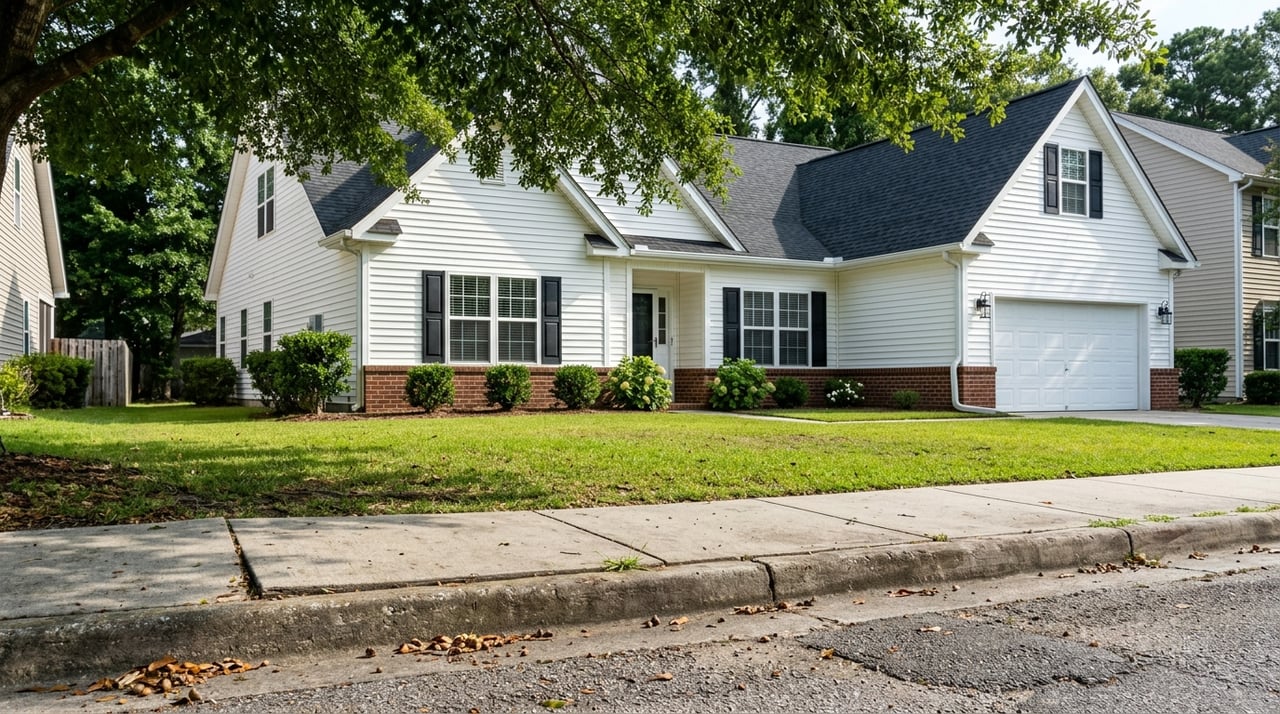
Newer subdivisions commonly feature curvilinear streets, cul‑de‑sacs, side‑entry or front‑entry garages, and HOA‑maintained amenities. Estate communities like Stonegate illustrate the larger-lot, upscale end of Monroe’s new construction spectrum, as well as the types of covenants and community standards you can expect to review. (Stonegate community example)
If a quick stroll to restaurants, shopping, public art, and seasonal events is high on your list, historic districts near the courthouse square offer the closest on‑foot lifestyle. Downtown is the hub for city events and small businesses throughout the year. ([City events and downtown hub])
Historic homes near the core usually sit on smaller, closer-in lots that trade yard size for walkability. Newer subdivisions around Monroe tend to offer deeper backyards, more separation between homes, and layouts that prioritize driveways and garage access. If you want room for landscaping projects or outdoor living, that difference can be decisive. (Stonegate community example)
For school planning, verify the address-level assignment with the Walton County School District. Attendance zones can change over time and transfer rules may apply, so confirm the current feeder pattern for any property you are considering. (Walton County school zones)
Most Monroe residents drive for regional commuting. Travel to central Atlanta commonly runs 45 to 70 minutes depending on time of day and route. Public transit options are limited, so factor your typical commute into your search area.
Before you make an offer, review FEMA flood maps and local permitting or GIS resources for the parcel. Walton County’s resources can point you to the right map tools and help you check any past permit records. A site-specific review is a smart early step in your due diligence. (Walton County flood and permitting FAQ)
Priority: location vs maintenance
Budget the first 5 years
Inspections and specialists
Regulatory check
Financial and tax notes
Resale and demand
If you crave character, a front porch that faces the street, and quick downtown access, a Monroe historic home may be your perfect match. If you want move‑in efficiency, fewer near‑term projects, and more outdoor space, new construction could be the better fit. Many buyers find clarity by touring one of each on the same day and comparing how each home feels in real life.
If you want a calm, experienced guide through Monroe’s historic districts and new communities, we are here to help. With 40+ years of local experience and deep lending know‑how, we will walk you through costs, inspections, design review, incentives, and builder contracts so you can buy with confidence. Start your search with Linda Maples Realty today.

Work with experienced Georgia real estate agent Linda Maples to buy or sell your dream home. Get a free valuation and view local listings.
Get In Touch With Linda To Learn More

2405 W Broad St Ste 150 Athens GA 30606