Understanding HOA Communities And Amenities In Hoschton
February 19, 2026
February 19, 2026
Thinking about a home in Hoschton and seeing “HOA” on every listing? You are not alone. Many neighborhoods here are part of an owners association, and that can be a real benefit when you understand how fees, rules, and amenities work. In this guide, you will learn what to expect from Hoschton HOAs, how to compare communities, and what to review before you buy. Let’s dive in.
Hoschton’s growth includes everything from small subdivisions to full master-planned neighborhoods. You will find single-family HOAs, townhome and condo regimes, and larger community associations that manage lakes, parks, and event spaces.
The Twin Lakes master-planned community is a major example in Hoschton. Published materials describe a buildout of about 2,600 total homes, including the 55+ Cresswind at Twin Lakes neighborhood, with amenities like a clubhouse, pools, fitness, and a large pickleball complex. You can explore the scale and amenity focus in the summary on the Twin Lakes and Cresswind communities from KnowAtlanta’s coverage of this development. See the Twin Lakes overview and amenity highlights.
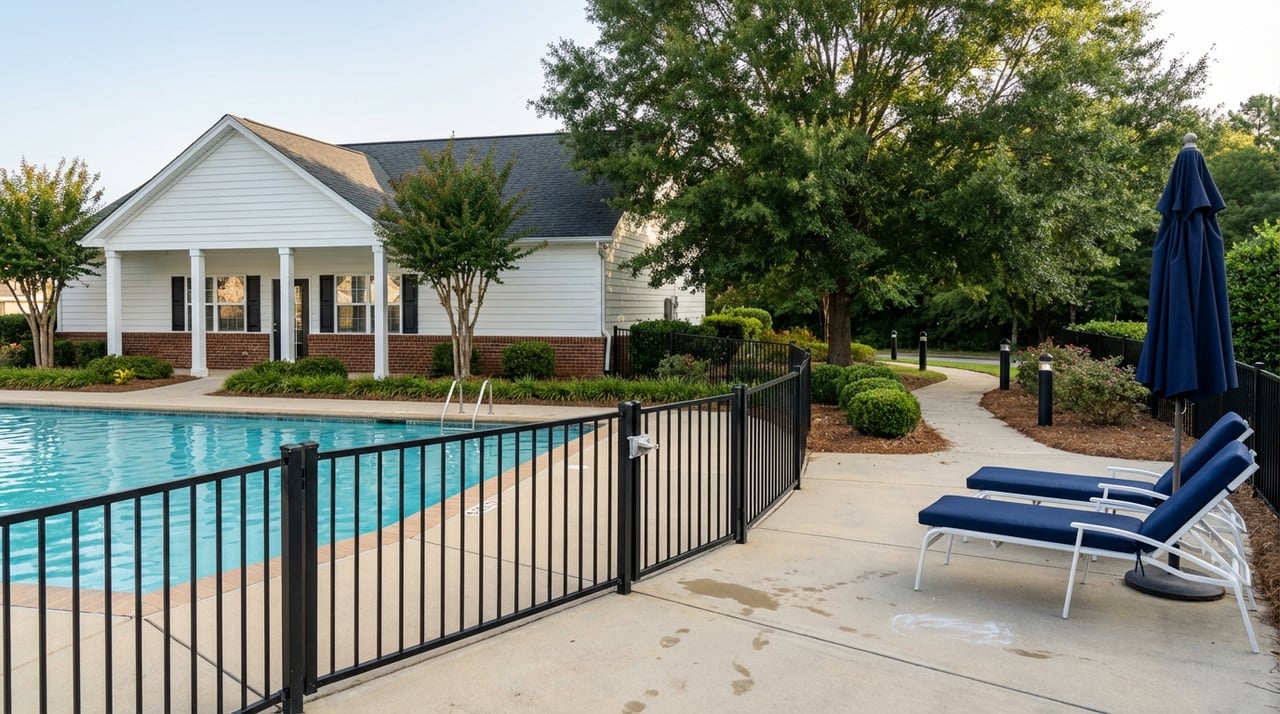
Beyond master plans, Hoschton also has modest-amenity neighborhoods. You will often see a clubhouse and pool, sidewalks, and playgrounds. Some communities are self-managed by volunteer boards, while others hire professional management companies for day-to-day operations and budgeting.
Many Hoschton HOAs lean into outdoor living and social spaces. Common features include:
Amenity packages vary widely, so match the features to how you plan to live and use them.
Your monthly or annual dues fund the community’s shared services. Typical line items include landscaping, pool and amenity upkeep, common-area utilities, private road care if applicable, master insurance on common areas, management fees, and contributions to long-term reserves. Industry guides outline these standard categories and how associations operate. Review an overview of HOA responsibilities and dues.
Healthy reserve funds help replace big-ticket items on schedule, like pool equipment, roofing on shared buildings, or road resurfacing. Associations use reserve studies to forecast costs and set annual contributions. Strong reserves reduce the risk of surprise special assessments, which is something both buyers and lenders care about. Learn how reserve studies guide HOA budgeting.
Fees vary by product type and amenity level. Local listings show a wide range. Here are illustrative examples only:
These numbers are snapshots and can change. Always verify the current dues, what they include, and any transfer or initiation fees with the HOA or management before you finalize your budget.
Every HOA has governing documents: the Declaration of Covenants, Conditions and Restrictions (CC&Rs), bylaws, and rules. These set architectural guidelines, parking and signage policies, pet rules, and the process for fines and enforcement. Buyers should review these carefully since they bind future owners. Here is a helpful overview of how associations set and enforce rules.
Georgia’s Property Owners’ Association Act, found in Title 44 of the Georgia Code, offers a legal framework for some communities. Not every HOA is automatically under the Act. Many associations must affirmatively adopt it, which affects remedies for collecting assessments and other procedures. Treat the statute as a baseline, then confirm which rules apply to the specific neighborhood you are considering. Read Georgia’s Title 44 background.
Lenders count mandatory HOA dues as part of your monthly housing cost. This affects your qualifying ratios and how much home you can afford. Fannie Mae explains that HOA dues are included in the housing payment.
Here is a simple example for illustration only:
Your actual numbers will vary by property, taxes, insurance, and your loan. Share the exact HOA amount with your lender early so you get accurate pre-approval figures.
If you are buying a condo or certain planned unit developments, your lender will confirm the project is eligible for financing. Common items include minimum reserve funding, owner-occupancy thresholds, limits on delinquent owners, budget and insurance review, and documentation like questionnaires and sometimes an engineer’s report. See Fannie Mae’s project-eligibility overview and the full review process details.
If you hope to use FHA, your lender may be able to pursue a single-unit approval when a project is not fully FHA-approved. Ask your lender about timing and documentation. You can also check a project’s status using HUD’s lookup tool. View HUD’s condo approval resources.
Request these documents as soon as you are under contract. Build a short HOA review period into your offer when possible.
Industry resources explain these documents and why they matter. Review a plain-language HOA document checklist and how reserve planning fits into the budget.
Key questions to ask the HOA or management:
As you tour Hoschton neighborhoods, compare these items side by side:
The right HOA can add value, convenience, and a strong community feel. The key is to align the fee level and rules with how you live, then confirm the financial health behind the scenes. If you want help comparing Hoschton neighborhoods, reviewing HOA budgets, or planning your monthly payment with dues in mind, we are here to guide you.
Reach out to schedule a tour and a quick HOA review. You can start the conversation with Linda Maples Realty.


Work with experienced Georgia real estate agent Linda Maples to buy or sell your dream home. Get a free valuation and view local listings.
Get In Touch With Linda To Learn More

2405 W Broad St Ste 150 Athens GA 30606